Skip to content
CRM & Sales

AI-Powered CRM: How Indian D2C Brands Are 3x-ing Sales in 2026

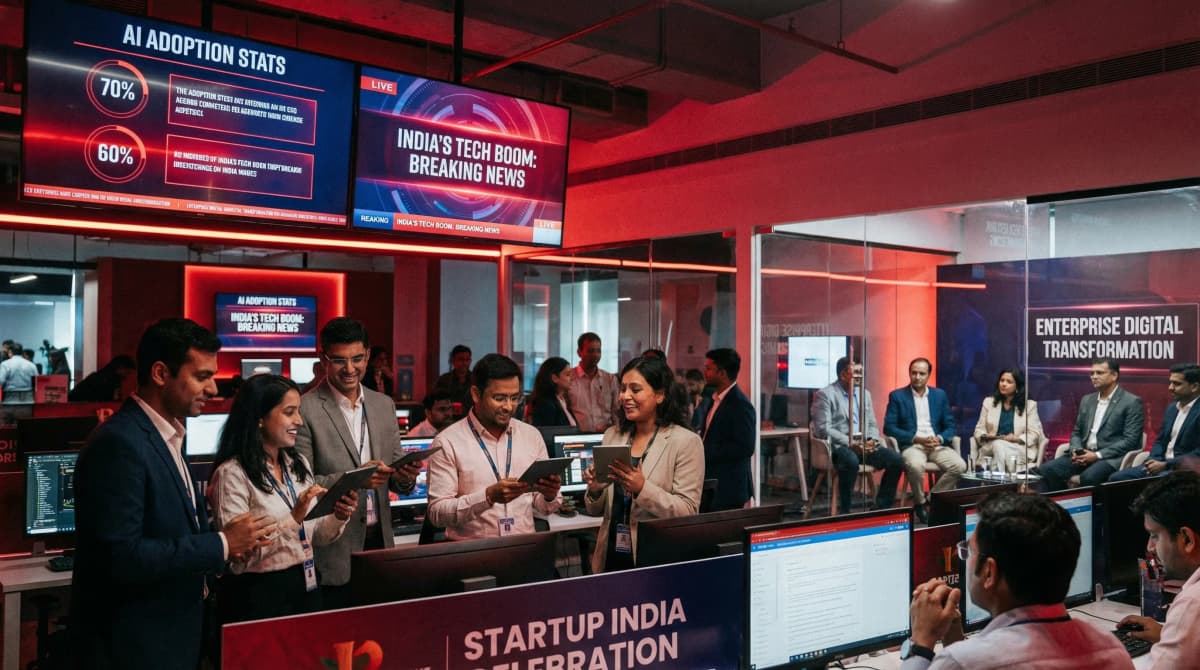
Featured image for AI-Powered CRM: How Indian D2C Brands Are 3x-ing Sales in 2026

Quick Answer

AI-powered CRM helps Indian D2C brands achieve 30-50% improvement in lead conversion rates and 40% reduction in sales cycle length through intelligent lead scoring, automated follow-ups, and predictive analytics.

What is AI powered CRM India D2C?
AI powered CRM India D2C encompasses the strategies and tools that help Indian businesses drive growth, improve efficiency, and gain competitive advantage in 2026.
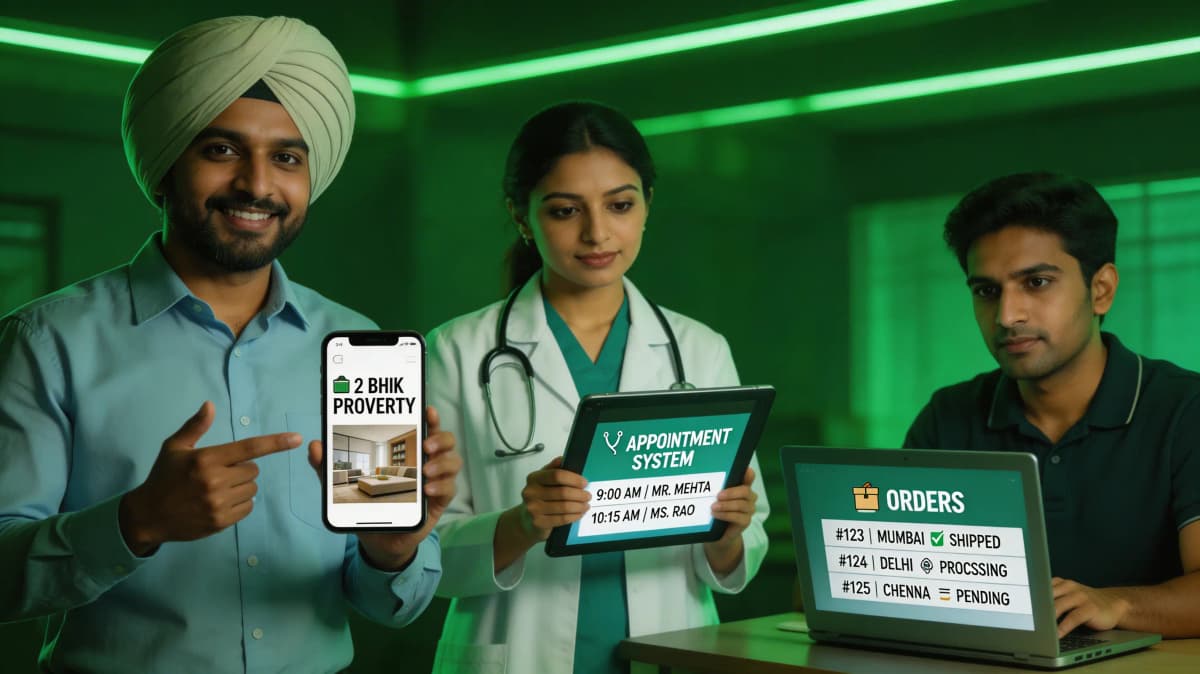
AI-Powered CRM: How Indian D2C Brands Are 3x-ing Sales in 2026 - Visual Guide for Indian Businesses
AI-Powered CRM: How Indian D2C Brands Are 3x-ing Sales in 2026

The India D2C Opportunity: ₹87.5B Market Growing at 24.3% CAGR

India's Direct-to-Consumer market is one of the fastest-growing retail segments globally. According to KPMG research, the Indian D2C market reached USD 87.5 billion in 2025 and is projected to reach USD 108.76 billion in 2026—a 24.3% year-over-year growth rate. By 2031, the market is expected to exceed USD 322.1 billion, representing a market that will have grown 3.7x in six years. This isn't theoretical growth—it's happening right now, driven by faster internet speeds, increased smartphone penetration, improved logistics, and a growing middle class with buying power.

But raw market growth doesn't translate to success. The Indian D2C brands that are 3x-ing sales in 2026 share one critical capability: they've moved from manual, founder-driven sales to AI-powered CRM systems that scale customer acquisition and retention without proportional increases in headcount. The brands leaving money on the table are those still managing customers via spreadsheets, WhatsApp groups, and manual follow-ups. This gap is widening rapidly. By mid-2026, the CRM adoption gap will be the single biggest predictor of D2C success—more predictive than marketing spend, product quality, or funding.

Why AI CRM Is the D2C Advantage in 2026

D2C brands differ from traditional retail and B2B SaaS in several critical ways. First, they operate on thin margins—15-25% gross margin is typical for D2C product companies. This means customer acquisition cost (CAC) must be precisely managed. Second, they rely heavily on repeat purchases for profitability—a customer acquired at ₹1000 might generate only ₹500 first-purchase margin, but ₹2000+ lifetime margin from repeat buys. This requires sophisticated customer segmentation and retention strategies. Third, they operate with limited teams—a ₹10 crore D2C brand typically has 8-15 people, with 1-2 people managing "sales" (customer relationship, upsells, retention).

Traditional CRM systems weren't built for this model. They're designed for B2B sales with long cycles and multi-stakeholder negotiations. D2C needs different capabilities: (1) Instant Customer Segmentation: AI analyzes purchase history to identify high-value repeat customers, at-risk churners, and upsell opportunities. (2) Predictive Upsell & Cross-sell: When a customer logs in or receives a marketing email, AI recommends products they're most likely to buy based on their history and behaviour. (3) Churn Prevention: AI identifies customers showing early warning signs of churn (declining order frequency, negative sentiment in reviews) and triggers retention campaigns before they leave. (4) WhatsApp & SMS Automation: AI sends personalised product recommendations, order status updates, and retention offers via WhatsApp and SMS at scale. (5) Customer Lifetime Value Prediction: AI forecasts the lifetime value of each customer, allowing brands to prioritise high-LTV customer segments in acquisition and retention spending.

Real Case Study: How a D2C Brand 3x'd Sales with AI CRM

A Bengaluru-based organic food D2C brand with ₹5 crore annual revenue implemented an AI-powered CRM designed for D2C in Q1 2026. Here's what happened over 60 days:

Customer Response Time: Before CRM, customer inquiries via WhatsApp and email took 12-24 hours to receive a response because one person handled customer service. AI CRM deployed instant responses for common queries (order status, shipping, returns) and routed complex inquiries to the team. Average response time: 24 hours → 2 minutes. Customer satisfaction scores improved from 3.8/5 to 4.6/5.

Upsell & Cross-Sell Efficiency: The brand previously did no systematic upselling—customers bought what they wanted, rarely more. AI CRM analyzed purchase patterns and identified that customers who bought "organic whole wheat" were 78% likely to buy "organic dal" within 30 days. The system automatically recommended the dal via WhatsApp after their wheat purchase. Upsell conversion rate: 0% → 23%. Average order value increased from ₹850 to ₹1,050 (+23.5%).

Churn Prevention: The brand had a 45% annual churn rate—customers bought once and never returned. AI CRM identified that customers who don't reorder within 45 days have a 78% probability of permanent churn. The system triggered a "we miss you" campaign with a 20% discount offer via WhatsApp. Re-engagement rate: 31% of at-risk customers reordered. Annual churn rate improved from 45% to 38%.

Revenue Impact: In 60 days: +₹15 lakh from upsells, +₹8 lakh from churn prevention. Total incremental revenue: ₹23 lakh on a ₹5 crore base = 4.6% quarterly uplift. Annualized: +₹92 lakh in incremental revenue (18.4% uplift) from better customer management, not new marketing spend.

The CRM investment: ₹25,000/month, or ₹2.5 lakh annually. Payback period: 13 days. ROI: 3,680%.

The Three AI-Powered Strategies Winning D2C Brands Use in 2026

Strategy 1: Behavioral Segmentation at Scale Winning D2C brands don't treat all customers the same. AI CRM segments customers into 5-10 behavioural cohorts based on purchase history, frequency, average order value, category preferences, and lifetime value. Each segment gets a tailored strategy. High-value loyal customers get VIP treatment (first access to new products, exclusive discounts, personal WhatsApp support). At-risk churners get win-back campaigns (special offers, product recommendations). New customers get onboarding sequences (thank-you message, how-to-use guides, cross-sell suggestions). This segmentation is impossible to do manually at scale. AI makes it effortless.

Strategy 2: Predictive Inventory and Marketing Allocation By predicting which customers will reorder which products, AI CRM helps brands optimize inventory and marketing spend. If the AI predicts that 60% of customers who bought your signature product in January will reorder in March, you can stock accordingly and time your March marketing campaign to that cohort. This reduces both stockouts and excess inventory—critical for cash flow in high-growth D2C brands.

Strategy 3: Lifetime Value Maximization Not all customers are equal. Some customers are purchased at high CAC but generate ₹50,000 lifetime value. Others are purchased cheaply but generate ₹2,000 lifetime value. AI CRM identifies which customer segments are most profitable and recommends shifting marketing spend toward those segments. For a D2C brand, this shift alone can improve profitability by 15-25% without revenue growth.

The D2C CRM Feature Checklist for 2026

If you're evaluating an AI CRM for your D2C brand, these are the non-negotiable features:

Customer Segmentation: Does the CRM automatically segment customers based on behaviour? Can you create custom segments (e.g., "customers who spend ₹5000+ per month")? Can segments trigger automated campaigns?

Predictive Analytics: Does the CRM predict churn risk? Can it predict which products each customer is likely to buy next? Can it score customer lifetime value?

WhatsApp & SMS Automation: Can you send bulk messages via WhatsApp and SMS? Can you personalize messages with customer names and past purchase history? Are messages triggered by customer behaviour (e.g., send reminder SMS 24 hours before free shipping expires)?

Product Recommendations Engine: Does the CRM recommend products to customers based on their history? Can recommendations be personalized to each customer's preferences?

Retention Campaign Automation: Does the CRM have pre-built win-back campaigns for at-risk customers? Can you A/B test different messaging to see what resonates?

Integration with Your Shop: Does the CRM integrate with your Shopify store (or WooCommerce, Zoho Shop, etc.)? Can order history, customer behaviour, and purchase data flow automatically into the CRM?

Mobile App for Customer Service Team: Can your customer service team manage returns, refunds, and customer inquiries directly from their phones?

Building Your 2026 D2C Advantage

The Indian D2C market is at an inflection point. Brands that implement AI CRM in 2026 will have a compounding advantage: better customer data → better segmentation → better personalization → higher retention and upsell → higher lifetime value → more profitable growth. Over 18-24 months, this advantage will compound into significant market share gains. Brands that delay will find themselves increasingly behind as their competitors operate with superior customer intelligence and retention efficiency.

The implementation timeline for a D2C brand is typically 2-3 weeks: data migration from your existing systems, integration with your e-commerce platform, setup of key automation workflows, and team training. The investment is modest (₹20,000-₹40,000/month depending on customer volume). The payback period is weeks, not months. For growing D2C brands, this isn't a nice-to-have—it's essential infrastructure for 2026-level competitiveness.

The brands 3x-ing sales in 2026 aren't doing it through luck or exceptional marketing spend. They're doing it through superior customer management powered by AI CRM. The opportunity is open. The time to implement is now.

Quick Comparison

MetricTraditional ApproachWith AI powered CRM India D2C
EfficiencyManual processes, slow executionAutomated, 3-5x faster results
Cost ImpactHigh operational overhead25-40% cost reduction
ScalabilityLimited by headcountScales without linear cost increase
Decision MakingGut-feel basedReal-time data-driven insights

Implementation Steps

Step 1: Assess Your Current State

Audit existing processes to identify where AI powered CRM India D2C can deliver the highest ROI for your Indian business.

Step 2: Choose the Right Solution

Evaluate solutions based on India-specific needs: UPI integration, multilingual support, GST compliance, and WhatsApp connectivity.

Step 3: Pilot and Scale

Launch a 30-60 day pilot with one team or workflow, measure KPIs, then scale across the organisation.

Frequently Asked Questions

Share this article

Continue Reading

Featured: Building a Sales Pipeline That Converts: A CRM Strategy Guide

Building a Sales Pipeline That Converts: A CRM Strategy Guide

11 min read
Featured: CRM vs Spreadsheets: Why Growing Indian Businesses Need to Switch Now

CRM vs Spreadsheets: Why Growing Indian Businesses Need to Switch Now

10 min read
Featured: AI-Powered CRM for Indian SMBs: The Complete 2026 Growth Guide

AI-Powered CRM for Indian SMBs: The Complete 2026 Growth Guide

12 min read