

AI Mode in Google Search changes what SEO teams need to optimize first. Google said the experience is starting in five new languages, including Hindi, while also highlighting more inline links, subscription context, and firsthand perspectives. For Indian teams, that means source clarity, multilingual coverage, and entity trust matter more than chasing isolated keyword positions. Teams that fix those signals early will be easier for Google to cite across follow-up questions.
AI Mode in Google Search deserves urgent attention because it changes how people discover, compare, and validate information before they ever click a traditional results page. Google's May 6, 2026 update emphasized deeper web exploration, clearer inline links, and more context around source value. The company also said Hindi support is starting today. For Indian SEO teams, the answer is not to panic about rankings. It is to make content more citable, more multilingual, and more obviously tied to a real brand entity. That work belongs to editorial, SEO, and brand teams together.
What changed in AI Mode in Google Search?
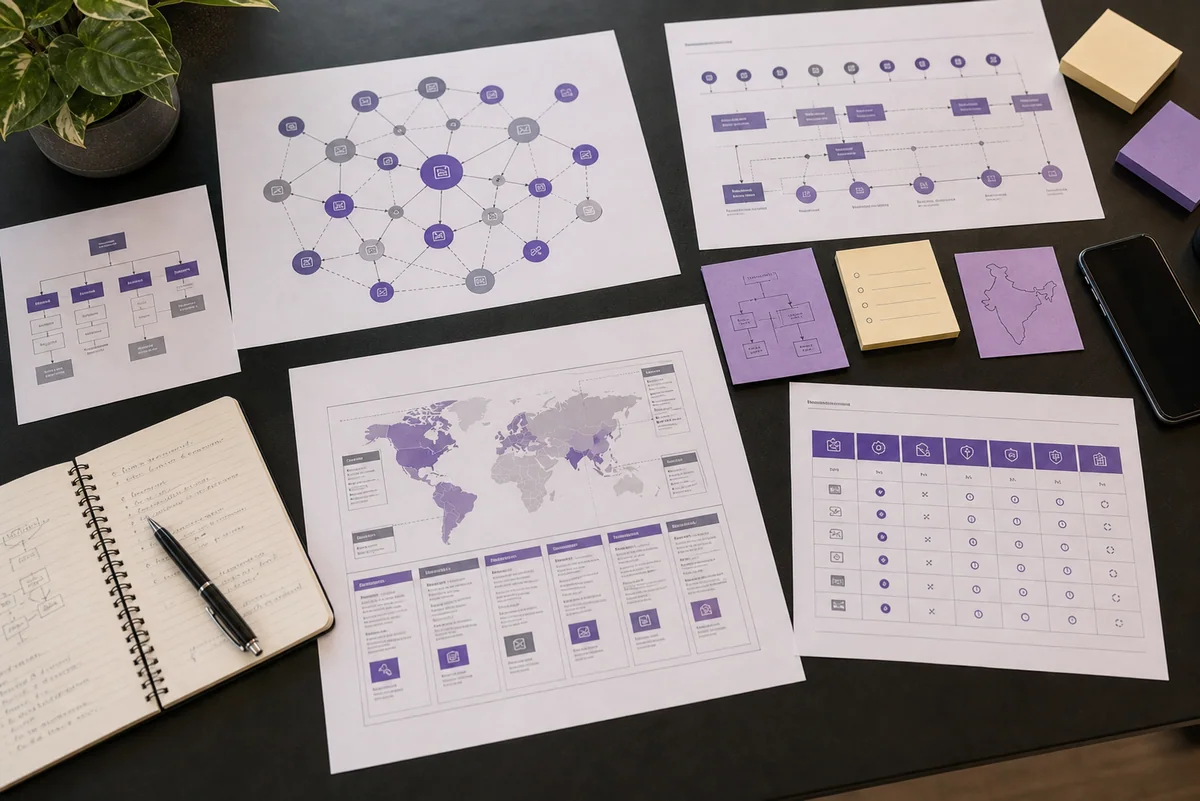
Google's latest update frames AI Mode as a richer exploration layer that helps people ask broader questions, compare viewpoints, and follow linked sources across a topic. Google highlighted more visible inline links, clearer treatment of paid or subscription sources, and stronger emphasis on firsthand information where it is useful. The language expansion matters as much as the interface changes because it widens the audience that can use AI-assisted search behavior in everyday discovery.
Search Central guidance adds the practical rule set. Google says there is no separate optimization trick for AI features. The same fundamentals still matter: crawlable content, structured data where appropriate, strong page experience, and content that helps people complete a task. The difference is that weak source clarity now hurts twice: once in classic search and again inside AI-assisted summaries that choose which entities and pages deserve mention.
- AI Mode in Google Search
- AI Mode in Google Search is Google's AI-assisted search experience for deeper exploration, linked source discovery, and multi-step information gathering. For SEO teams, it means content must be useful enough to cite, clear enough to summarize, and trustworthy enough to keep surfacing across follow-up questions.
Here is how this changes the workload. Teams need to think less about whether a page ranks for one phrase and more about whether a section can survive extraction, summarization, and follow-up questioning without losing meaning or trust.
Why does AI Mode in Google Search matter for Indian SEO teams now?
Indian brands often operate across English, Hindi, and mixed-language user journeys. That makes AI Mode in Google Search more than a UX story. It is a content operations story. Pages that depend on vague brand language, thin headings, or unstructured claims become harder for both users and AI systems to trust quickly. In contrast, pages with specific entities, clean definitions, strong bylines, and obvious next-step utility are more likely to be referenced and revisited.
Google has already said that AI Overviews are driving more than 10% growth in Google usage for the query types that show them in markets including India. That matters commercially because it suggests that AI-assisted discovery is not a side experiment. It is already shaping how search demand moves. If your category depends on comparison, explanation, or category education, waiting for traffic loss before adapting is the wrong move.
| Old SEO habit | AI Mode risk | Better operating move | What to review weekly |
|---|---|---|---|
| Write for one keyword only | Weak follow-up question coverage | Build entity-rich sections that answer adjacent questions | Which questions still require a second page? |
| Hide source identity | Lower citation trust | Make author, brand, and evidence obvious | Are claims traceable in the page itself? |
| Treat Hindi as optional | Miss multilingual intent | Map high-value topics to Hindi and mixed-language demand | Which journeys need a Hindi version first? |
| Optimize only for rankings | Lose visibility in AI summaries | Optimize for citation, summarization, and next-step utility | Which pages are easiest to summarize accurately? |
What should teams fix in the next 30 days?

Start with the pages that explain your category, compare options, or answer pre-sales questions. Those are the pages most likely to surface inside AI-assisted discovery. Rewrite openings so they answer the query early. Tighten H2 structure so each section stands on its own. Add explicit source context where you make claims. Then decide which high-intent pages need Hindi or mixed-language support before competitors build better coverage.
- Audit the first paragraph, H2s, and definitions on your top organic pages so each one answers a real question quickly.
- Add or improve entity signals such as author identity, brand role, source references, and structured content blocks.
- Map the top ten category questions that should be covered in English and Hindi, then publish the most commercially important gaps first.
- Review pages for subscription-safe value so users can understand why your source is worth clicking even when AI gives a summary.
- Use internal linking to connect guides, service pages, and explainers into a topic cluster that reflects how users explore follow-up questions.
This is also the right moment to align editorial and commercial pages. If your brand promises operational clarity but your explainers are generic, AI Mode in Google Search will expose that mismatch. For implementation support, connect the search work to our SEO service and make sure service pages, explainers, and news posts reinforce the same entities and claims.
How should you measure whether the adaptation is working?
Use a mix of visibility and usability signals. Track impressions and clicks, but also review whether pages are easier to summarize, whether branded entities appear consistently, and whether users move from educational pages into service or product pages without friction. The goal is not simply more words. The goal is cleaner source authority that survives AI-assisted discovery.
Another good test is whether your content still feels clear when headings are read out of context. AI systems often pull sections, not whole essays. If a section cannot stand on its own, it is less likely to become a trusted reference. That is why AI Mode in Google Search should push teams toward stronger structure, better evidence, and multilingual clarity instead of more volume.
